
Mold Remediation in Plano, TX
Licensed mold remediation for Plano homes and businesses. We follow your assessor's protocol, contain the work area, remove the mold, and put the space back together.
Talk to a Licensed Mold Remediator

☞ We Work Directly With Your Insurance
Who removes mold in Plano?
Quick Answer. A Texas-licensed mold remediation contractor, working from a protocol written by a separate licensed mold assessment consultant. Triad Property Recovery holds a Texas Mold Remediation Contractor license (TDLR RCO1757).
You might notice a musty smell in a closet, dark spots along the baseboard, or a ceiling stain that keeps spreading. What you see is usually the smallest part of it. Mold grows where moisture stays, often inside the wall, under flooring, or in attic insulation, so the fix has two parts. Remove what's growing, and dry out what let it grow.
Do I need mold testing before remediation?
Quick Answer. For anything bigger than a small patch, usually yes. Texas rules keep testing and removal separate, so the company that removes the mold can't be the one that tests it on the same project.
We don't do mold testing. If you need it, we'll refer you to a licensed mold assessment consultant. They inspect, take samples if needed, and write a protocol that spells out exactly what has to be removed and how. We follow that protocol, and the consultant comes back afterward to confirm the area passed. Our guide on what happens after you receive a mold remediation protocol walks through it step by step.
What causes mold in Plano homes?
Quick Answer. Water that wasn't dried completely. Common sources in Plano are slow plumbing leaks, AC condensate lines in the attic, roof leaks after hail, and water damage that was cleaned up but not fully dried.
Slow leaks. A dripping supply line under a sink or behind a dishwasher can feed mold for weeks before anyone sees it.
Attic AC units. Many Plano homes have air handlers in the attic. A clogged condensate line can soak insulation and the ceiling below.
Hail and roof leaks. Spring storms across Collin County crack shingles and flashing, and water travels through insulation before it shows up as a stain.
Leftover moisture. Carpet and drywall can feel dry on the surface while the pad, framing, or wall cavity stays wet. That hidden moisture is where mold starts.
What happens during mold remediation?
Quick Answer. We seal off the area, remove moldy materials, clean what can be saved, dry the structure, and hand the space back for clearance testing.
1. Review the protocol. We plan the job from your consultant's protocol so nothing gets skipped.
2. Contain. Plastic barriers and HEPA-filtered air keep spores from spreading to the rest of the house.
3. Remove. Moldy drywall, insulation, and carpet pad come out and are bagged before they leave the containment.
4. Clean. Framing and other materials that can stay are HEPA vacuumed and cleaned.
5. Dry. We check moisture readings and dry the structure so the mold doesn't come back.
6. Clearance. Your consultant inspects and confirms the area passed. Then we issue the Certificate of Mold Damage Remediation.
7. Rebuild. Our team replaces drywall, insulation, flooring, and paint, so you're not hiring a second contractor.

Request Service
Water Damage - Quote Request
Is mold an emergency?
Mold itself usually isn't an overnight emergency, but active water is. If water is still leaking or standing, call us any time and we'll stop the water damage first. Once the water is under control, mold remediation is scheduled like any other project.
Where in Plano do you work?
All of Plano, from Legacy West and Willow Bend to Downtown Plano and east Plano along US-75. We come to you.
- Legacy West
- Willow Bend
- Downtown Plano
- East Plano
- West Plano
- 75023
- 75024
- 75025
- 75074
- 75075
- 75093
- 75094
- Frisco
- McKinney
- Garland
- Dallas
Have active water damage too? See our water damage restoration in Plano. The same team handles both, so you work with one company from start to finish.
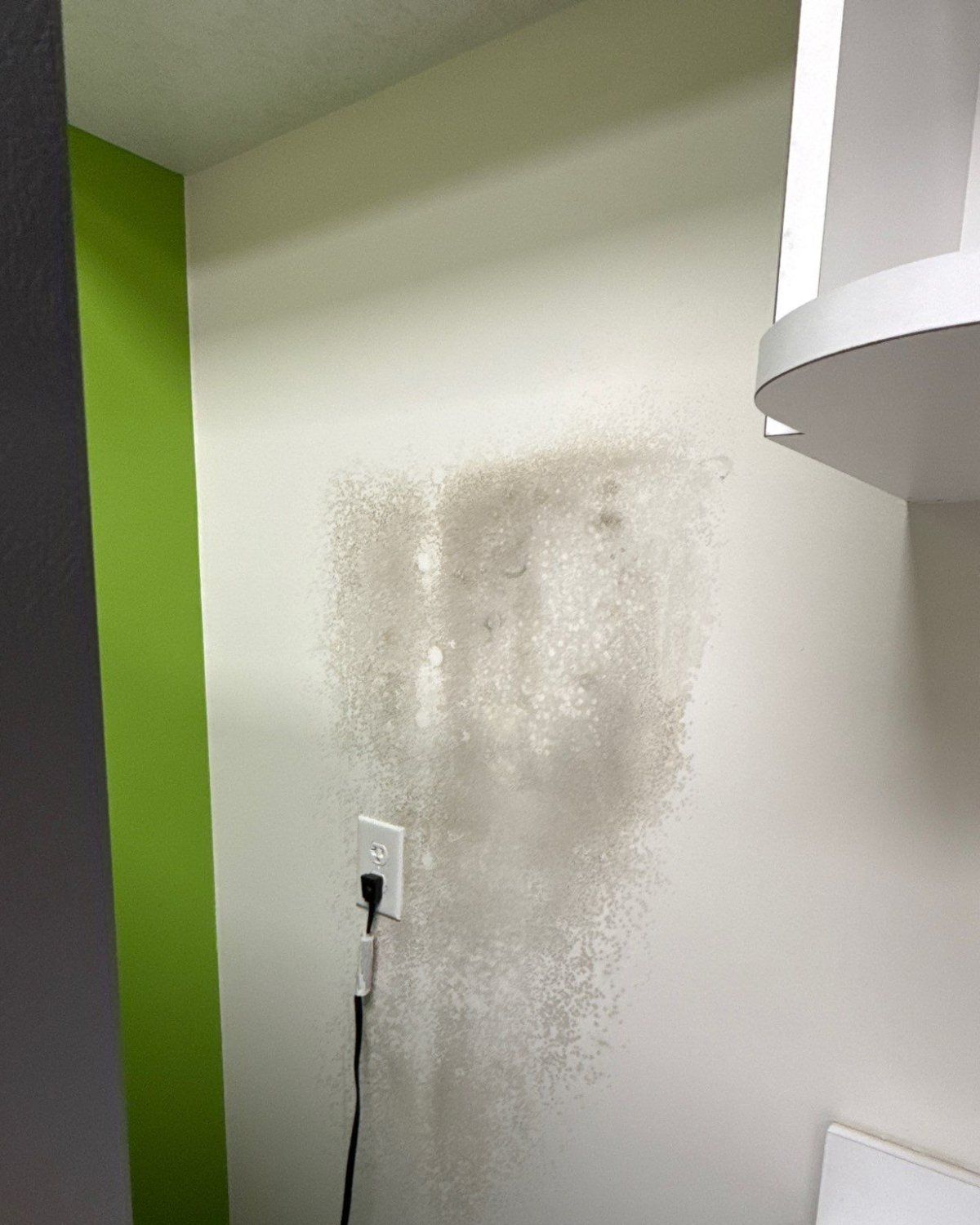
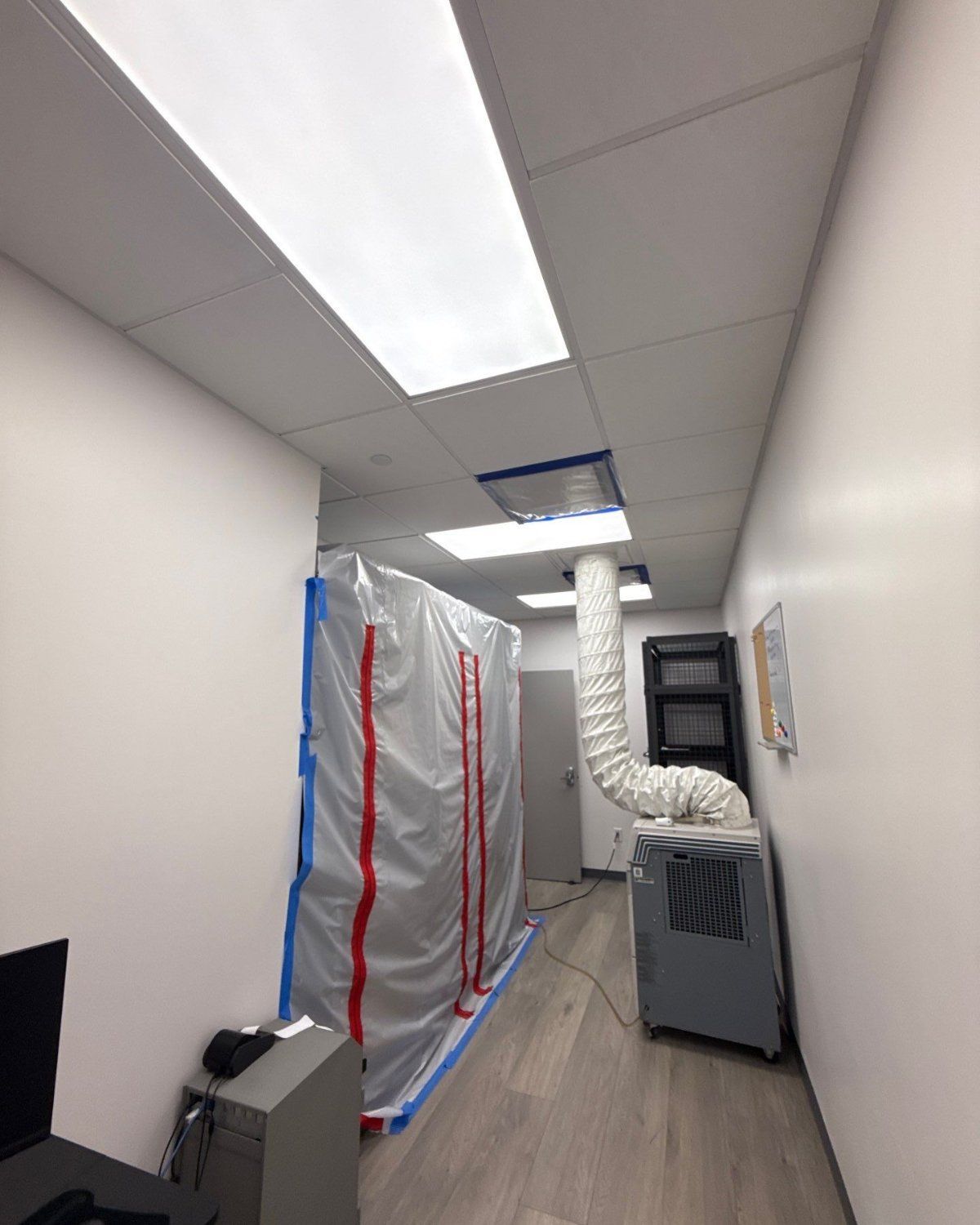
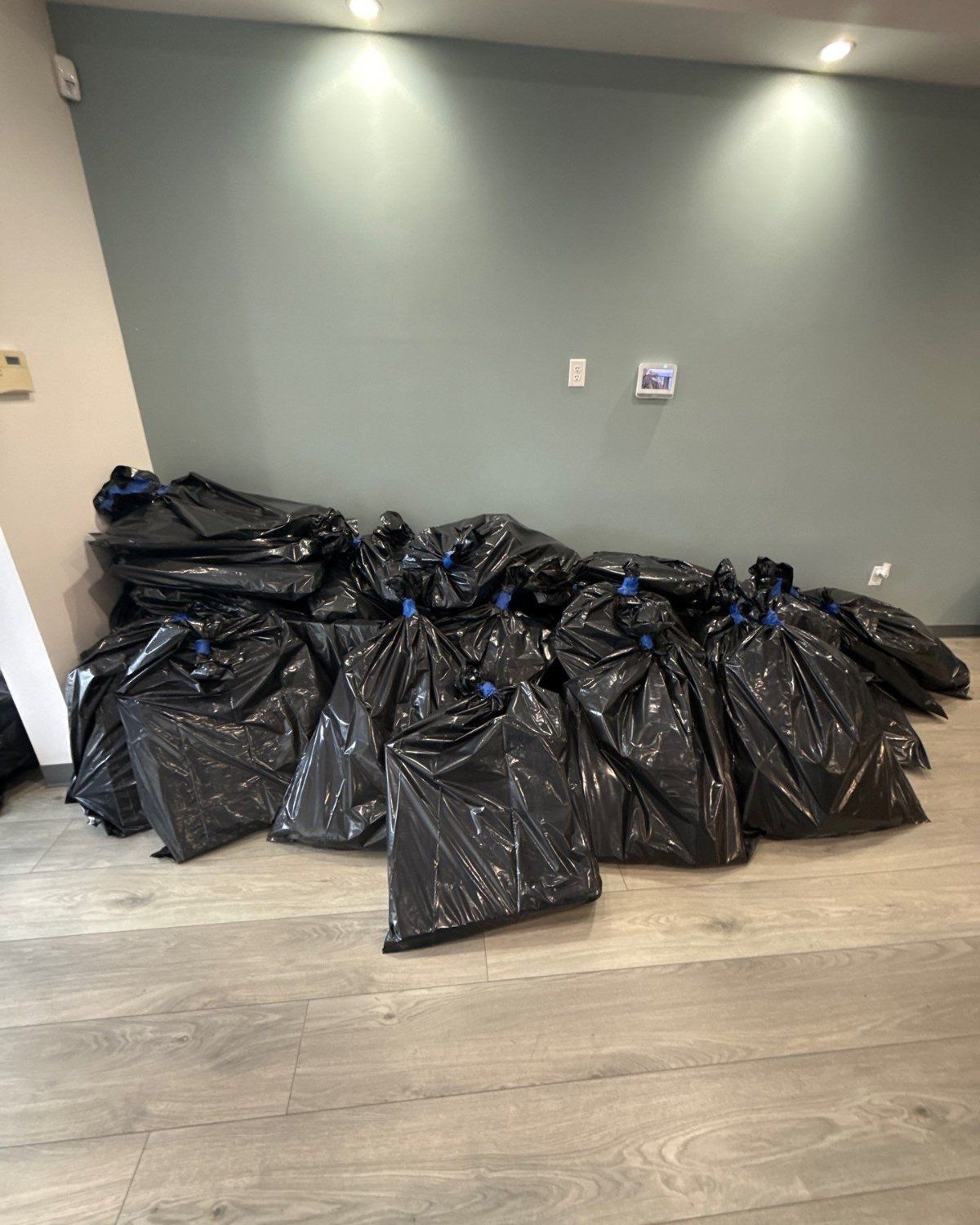
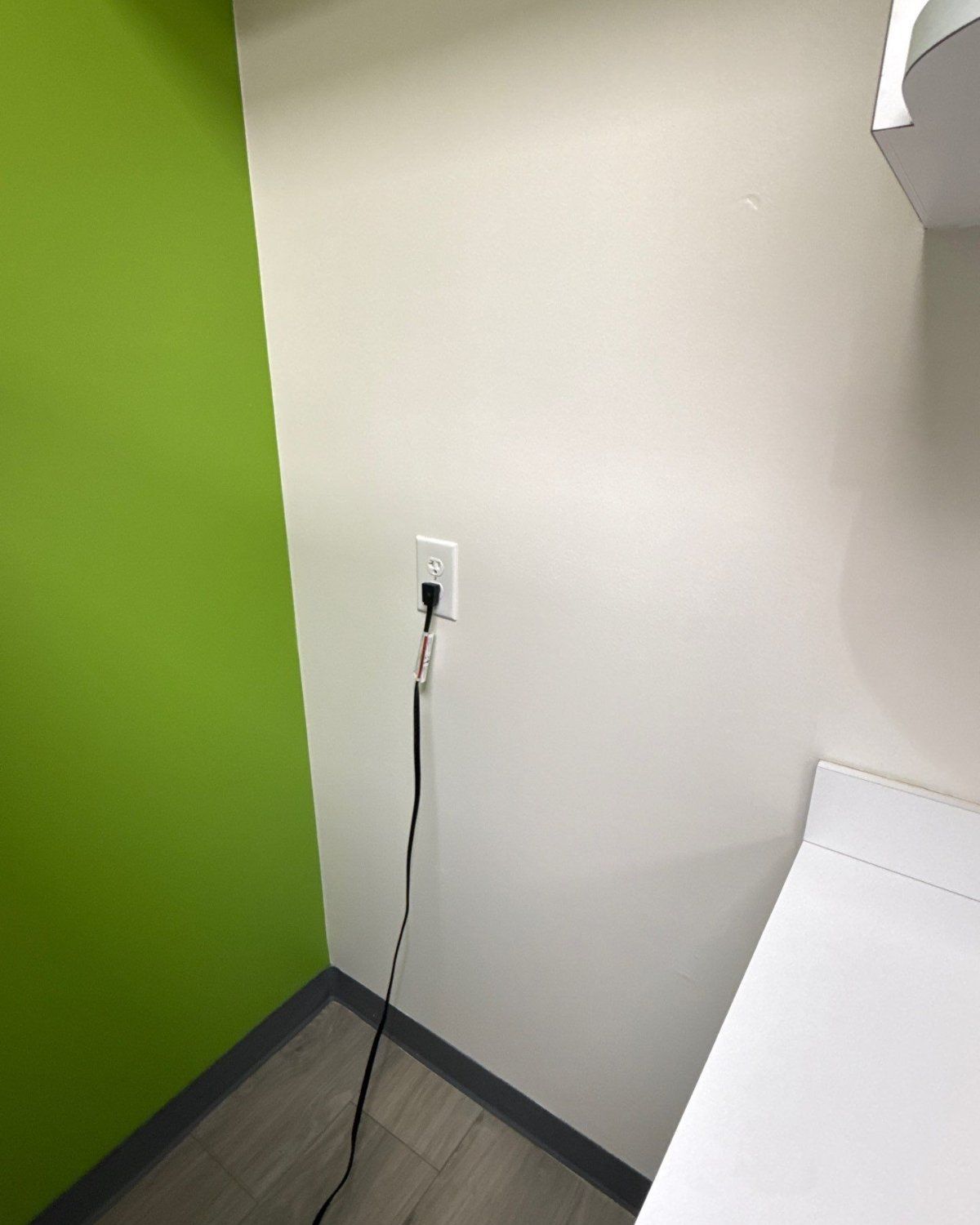
Mold behind a refrigerator in a Downtown Plano office
Mold had spread across the wall behind an office refrigerator. We sealed off the area with zippered plastic containment and HEPA-filtered air, removed and bagged the damaged materials inside the work area, then cleaned and encapsulated the wall.
- Property Office suite, Downtown Plano
- Setup Plastic containment and HEPA air
- Result Wall cleaned and encapsulated
What mold remediation customers say
“I recently needed a mold remediation job for our rental property and I am so glad my MAC recommended Triad Property Recovery. He walked me through the work scope and explained to me what to expect. A couple days later his team executed a top notch job and I am very satisfied.”
“We had a mold issue in both of our bathrooms. We found out that there was a leak under the tub that had caused all the mold to spread throughout the walls and cabinets. They were able to remediate everything very efficiently while ensuring that the work site was sealed from the rest of the home.”
“We had serious water damage and mold issues in our kitchen and in other areas in our house that they found. Triad had the mold remediation taken care of immediately. We went ahead and had Triad tear-out the entire kitchen and re-build the kitchen. In less than 2 weeks it was completely done.”
Will insurance cover mold removal?
Sometimes. Many homeowners policies cover mold only when it comes from a sudden, covered water event like a burst pipe, and some cap mold coverage at a set dollar amount. Every policy is different, so check yours or call your agent. When there is a claim, we provide the photos, moisture readings, and scope your adjuster asks for.
Who rebuilds after mold removal?
We do. Once your consultant confirms the area passed, our own rebuild crew replaces drywall, insulation, flooring, and paint. You are not hiring a second contractor or waiting on another company's schedule.