

Biohazard Cleanup in Plano

Specialists handling biohazard cleanup across Plano, from secure containment and removal to final clearance done right.

Get a Free Estimate:

(469) 629-1656 Fill Out a Form

☞ Insurance Fully Covers Most Cleanups

End-to-End Biohazard Cleanup

We step in to secure the area, remove contaminated materials, clean to verified standards, and manage repairs so the property is usable again. Our team can help handle the cleanup end-to-end.


We work directly with homeowners, landlords, property managers, and safety contacts, keep communication tight, and adjust scheduling to fit real life. Discreet access and after-hours work are always options when privacy or downtime matters.

Give us a call or fill out a form to get things started.

An icon of a hammer and a screwdriver in a circle.

Request a Free Estimate


Biohazard Plano - Quote Request

Emergency Biohazard Cleanup, 24/7

When a scene needs to be made safe now, we answer the phone, dispatch immediately, and get work started on arrival.
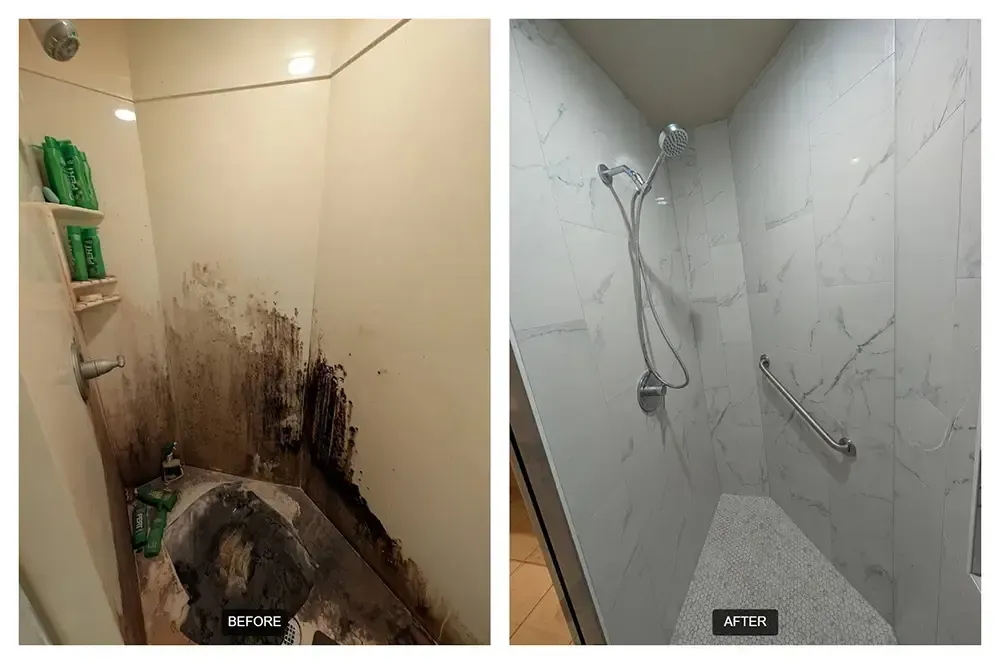
before and after biohazard restoration

Insurance Aligned From Day One

We stabilize the site first, control exposure, and set clear cleaning targets before work begins. Every step is documented, time-stamped, and tied to measurable results so there’s no ambiguity about what was done or why. That's why we work so well with insurance companies.


Once clearance is confirmed, we coordinate next steps so that everyone stays on the same page. Repairs, access timing, and final documentation are handled in sequence. The goal is simple. Restore safety, close the loop cleanly, and let everyone move on.
Frequently Asked Questions

  • What documentation does insurance need for biohazard cleanup?

    Insurance usually wants proof that the cleanup was necessary, done correctly, and priced reasonably. That means documentation that ties the work to a real exposure risk and shows it meets accepted standards.


    Most carriers expect:

    • An incident summary describing what happened and why cleanup was required
    • Photos and notes showing the affected areas before, during, and after work
    • An itemized scope of work with line-item pricing
    • Readings or test results tied to the cleaning targets used
    • Disposal records from licensed facilities
    • A final clearance or completion report

    They may also ask for policy references, justification for material removal, and confirmation that the work aligns with current safety guidelines. When this is provided up front, claims move faster and stall less.

  • Are occupants required to leave the area during cleanup?

    OSHA sets exposure and worker protection rules. If people are allowed to remain in an area where controls are required and those controls fail, that becomes an OSHA problem. On the public health side, local or county health departments can step in if a space is unsafe for occupancy, especially when there’s biological exposure or improper disposal.


    Environmental handling and disposal rules tie back to agencies like the Environmental Protection Agency, even if they’re not physically on site. Insurance carriers also care if occupants weren’t properly restricted and the cleanup doesn’t align with safety standards. That's when claims get delayed, reduced, or denied.

  • How is privacy handled when cleanup involves sensitive situations?

    Privacy is handled by limiting exposure, controlling access, and keeping information need to know only. The goal is to resolve the hazard without turning the situation into a spectacle.


    Work areas are isolated with containment and controlled entry so occupants, neighbors, or staff are not exposed to what’s being handled. Scheduling can be adjusted for after-hours or low-traffic windows, and unmarked vehicles or discreet access points are used when attention needs to stay minimal. On-site, crews keep conversations professional and quiet, and documentation stays factual without unnecessary detail.


    On the admin side, reports are shared only with the parties who need them, such as the property owner, insurer, or safety contact. No photos or information are used for training, marketing, or discussion outside the job. Cleanup happens efficiently, records stay confidential, and once clearance is confirmed, the situation is closed without lingering visibility.

Still Have Questions?


Give us a call and we'll answer any questions you have!

(469) 629-1656

Serving Middletown and All of the Tri-State Area

Serving Plano & All of THE Metroplex areA